
SQL with AI: Turning Data into Foresight
From raw queries to intelligent business decisions

SQL has been the backbone of data management for decades. It is the universal language of databases, powering banking systems, retail platforms, healthcare records, and countless other industries. It is precise, structured, and reliable. But in today’s data-driven world, where every click, review, and sensor reading generates information, SQL alone is like a brilliant historian, excellent at recording the past but unable to predict the future.
This is exactly where AI comes in. Pairing SQL with AI creates a bridge from data retrieval to data intelligence. Let’s explore why this combination is so powerful, where SQL falls short, and what opportunities AI opens for modern businesses.
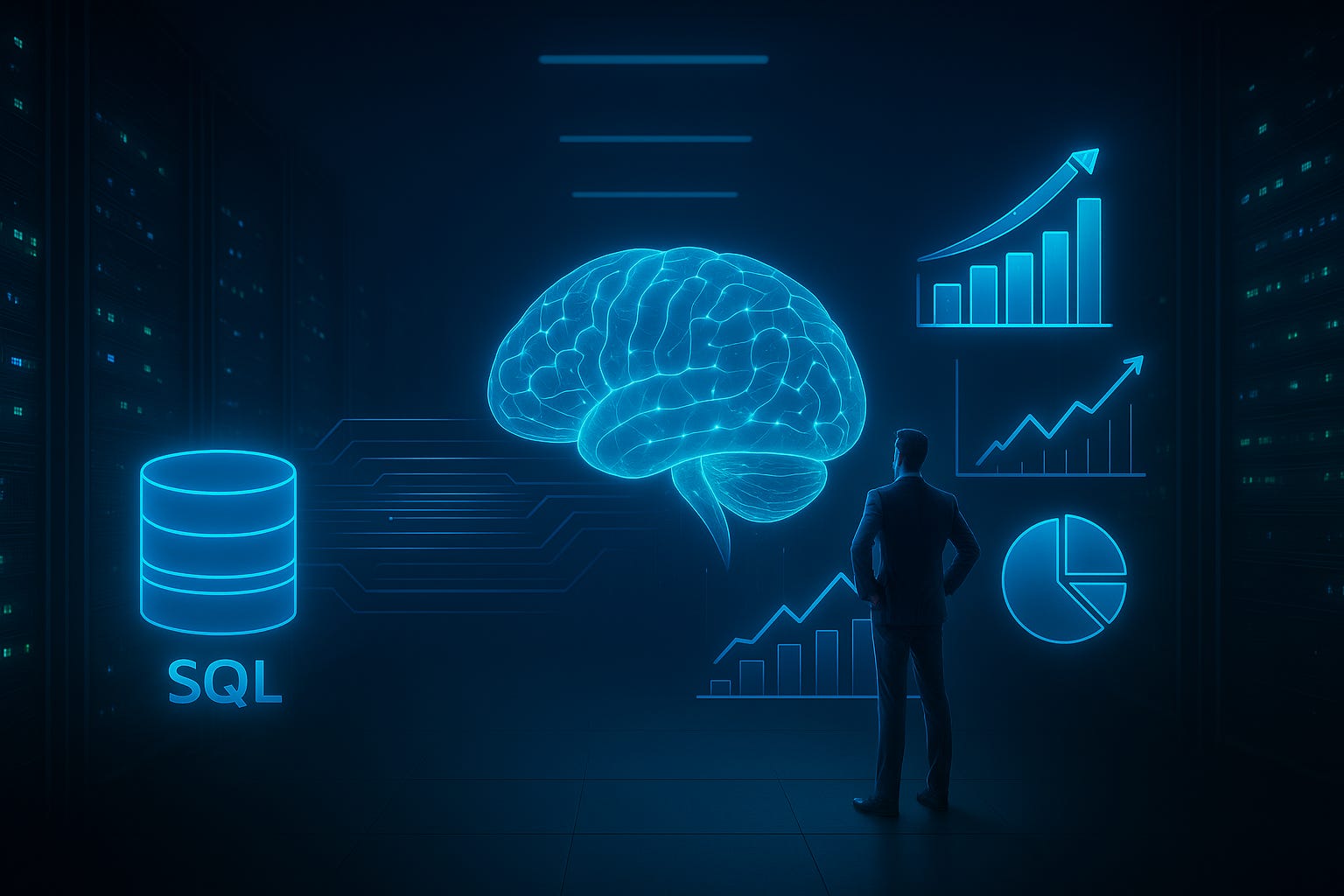
Why combine SQL with AI
SQL has always excelled at answering what happened. You can query sales numbers, filter customer demographics, or calculate averages in seconds. But business leaders today are not satisfied with “what.” They want answers to deeper, more strategic questions:
Why did sales decline in a particular region?
Which customers are at risk of leaving?
What products should we recommend next?
How can we predict system failures before they happen?
SQL alone cannot answer these questions. It gives you facts, not foresight. AI, on the other hand, thrives in uncovering patterns, predictions, and probabilities. When the two are combined, they create a powerful partnership:
SQL retrieves the data in a structured, organized form.
AI analyzes it, learns from it, and generates predictions or insights.
Think of SQL as the librarian who knows where every book is, and AI as the researcher who reads those books, connects the dots, and writes a thesis. Together, they make data not only accessible but also actionable.
The limitations of SQL alone

While SQL is indispensable, it was not designed for today’s messy and fast-moving data environment. Some of its key limitations include:
Structured-only focus: SQL handles rows and columns beautifully, but struggles with unstructured data such as text reviews, video footage, or sensor readings from IoT devices.
Descriptive, not predictive: SQL can tell you that “sales rose 20% in December,” but it cannot tell you why they rose, or whether they will rise again next December.
Pattern blindness: SQL queries are only as good as the questions you ask. It does not “discover” hidden correlations unless you explicitly look for them.
Static reporting: Businesses often rely on SQL reports that look backward, such as monthly revenue, quarterly churn, or yearly growth. By the time the report is generated, the opportunity to act may already be gone.
For example, a retailer using SQL can generate a report of items frequently purchased together. That is useful, but without AI, the retailer cannot predict which new product combinations customers might buy next season. That is untapped value left on the table.
What new opportunities does AI unlock in SQL-driven businesses
This is where the magic happens. When AI is layered on top of SQL, businesses not only collect data but also activate it. Here are some transformative opportunities:
Predictive analytics
AI can forecast customer demand, employee attrition, or equipment breakdowns before they occur. For example, an airline could use SQL to gather historical delay data, then AI to predict which flights are likely to be delayed today.
Personalization at scale
SQL retrieves user purchase histories. AI learns from those histories to recommend products, shows, or services tailored to each individual. This is the engine behind platforms like Netflix and Amazon.
Fraud detection and anomaly spotting
SQL queries can flag transactions above a certain amount. AI goes further, spotting unusual patterns in behavior such as small but frequent purchases that suggest fraud.
Automation of insights
Instead of managers running daily queries, AI can monitor data in real-time and trigger alerts, such as “Inventory of Product X will run out in 3 days, given current sales trends.”
Natural language querying
Non-technical staff often struggle with SQL syntax. With AI, they can type or speak questions like, “Show me regions most likely to miss sales targets this quarter.” Behind the scenes, SQL retrieves the data, and AI interprets it into business-friendly insights.
These opportunities move organizations from being reactive to being proactive. Instead of looking at what went wrong last month, they are preparing for what might go wrong or right next month.
Real-world examples
To see this in action, consider a few industries already blending SQL with AI:
Retail: Walmart uses SQL to track inventory but employs AI to predict buying trends during holidays or crises. During hurricanes, for example, AI helps forecast which products, such as bottled water or flashlights, will spike in demand.
Finance: Banks use SQL for transactional data, but AI models help flag unusual activity that could indicate fraud or money laundering.
Healthcare: SQL stores patient records. AI analyzes them to predict readmission risks or to suggest treatment plans based on historical patterns.
Hospitality: Hotels use SQL for booking and revenue data. AI then optimizes pricing dynamically, predicting when to raise or lower room rates to maximize occupancy.
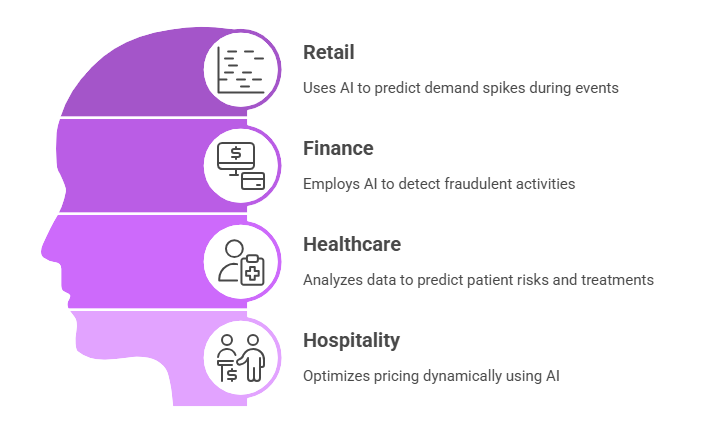
AI and SQL Integration Across Industries
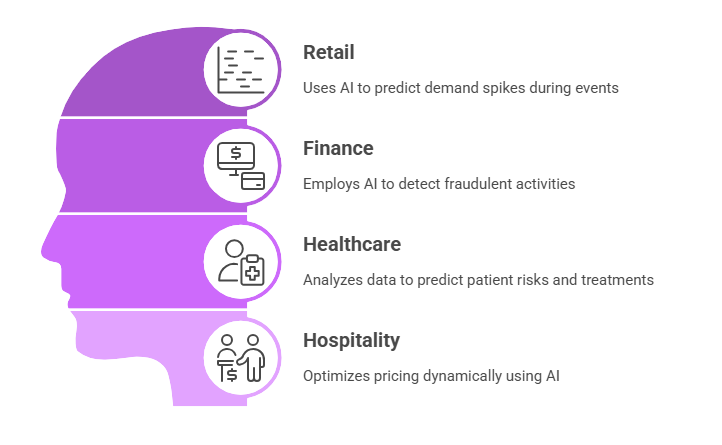
In each case, SQL provides the foundation of clean, structured data, while AI builds the intelligence layer that drives smarter decisions.
The partnership mindset
It is tempting to think of AI as a replacement for SQL, but that misses the point. They are not rivals, they are collaborators.
SQL ensures accuracy, reliability, and structure.
AI adds foresight, adaptability, and intelligence.
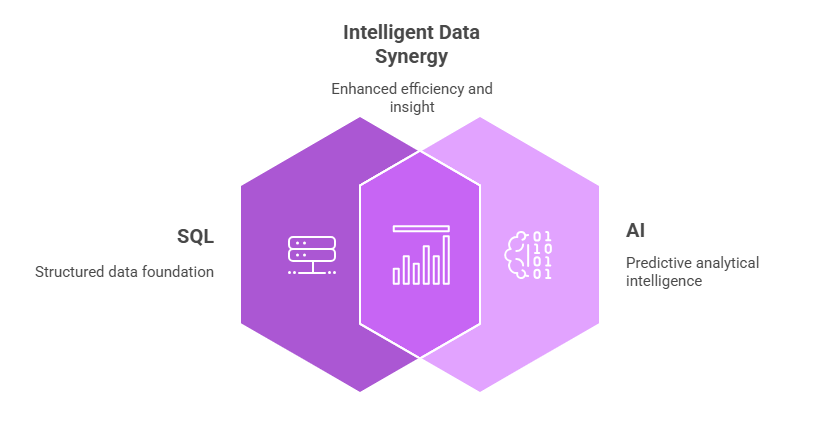
The Power of Integrated Data Intelligence
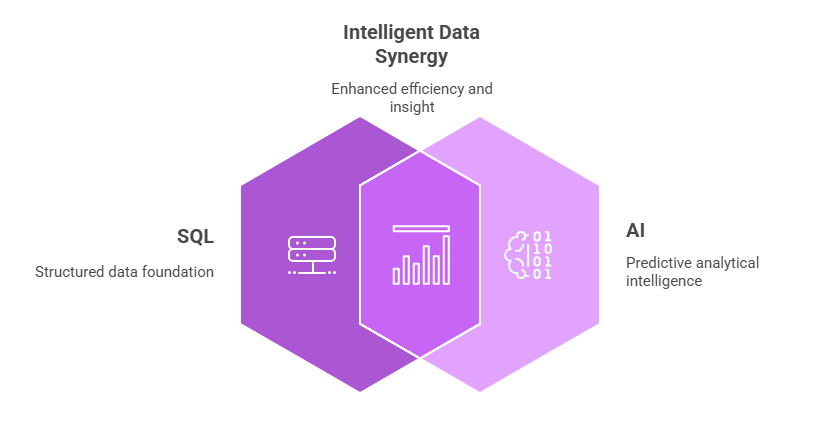
A good analogy is the human brain. SQL is the part that stores facts and memories with precision, while AI is the creative side that imagines scenarios, draws inferences, and anticipates outcomes. Together, they create a system that is both stable and visionary.
Closing thought
As we kick off this journey into SQL with AI, remember this: SQL alone tells you what happened, but AI shows you what is possible. Businesses that combine the two are no longer just looking in the rear-view mirror; they are steering the wheel toward the future.
Over the coming weeks, we will dig deeper into practical ways to blend SQL and AI, from integrating machine learning models with SQL databases to building dashboards that do not just report but recommend.
The future is not about choosing SQL or AI; it is about unlocking the full power of SQL with AI.
Until next time, stay curious. —M